What Does a Community Health Advisor Actually Do?
Ask ten people what a community health advisor does and you’ll get ten different answers. If you’re one yourself, you’ve probably heard all ten. A volunteer nurse. Someone from the health department. A social worker, maybe. All reasonable guesses, all wrong in the same way: they assume the job is a junior version of a clinical one.
It isn’t. A community health advisor is a trusted local person, trained to help their own neighbors understand health information, find services, and follow through on care. The training matters, but it’s the second ingredient. The first is that people already know them. Researchers who study these programs use a phrase I’ve always liked: “natural helpers.” The person in the congregation or on the block who everyone already goes to when something’s wrong. CHA programs find that person and give them tools.
That’s the short version. The long version is better told through the places where this model has been running for decades.
The church programs
Faith communities are where community health advising has some of its deepest roots, especially in the South. The logic is simple. If you want to reach people who don’t trust the medical system, or can’t easily get to it, you go where they already gather every week.
One study of a church-based healthy eating and physical activity program shows how this works in practice. Nineteen advisors were trained; seventeen of them went on to train 347 committee members from 115 different churches. Then thirteen of them stuck around for a full year afterward, coaching those churches by phone as they ran their own programs.
Here’s the detail that explains why it worked: the advisors in that study had been members of their churches for an average of more than thirty years. Thirty years. A flyer from the county health department gets glanced at and recycled. A word from someone who has sat three pews over since 1990 gets acted on. Trust is the credential, and it can’t be issued by any certifying body.
The rural outreach model
Uniontown, Alabama is a small town in the state’s rural Black Belt, and in the 1990s it became home to one of the most cited CHA projects in the public health literature. The goal was reducing cardiovascular disease risk among rural African-American women, a group the healthcare system was reaching poorly.
The advisors there didn’t stop at teaching classes on blood pressure and diet, though they did that too. They worked on the town itself. They lobbied city officials and business owners, built community coalitions, and pushed for changes to the physical infrastructure so that healthier choices were actually possible. Researchers following up years later found the improvements had outlasted the original grant funding. The advisors weren’t running a program in their community. They were changing their community, which is a different thing.
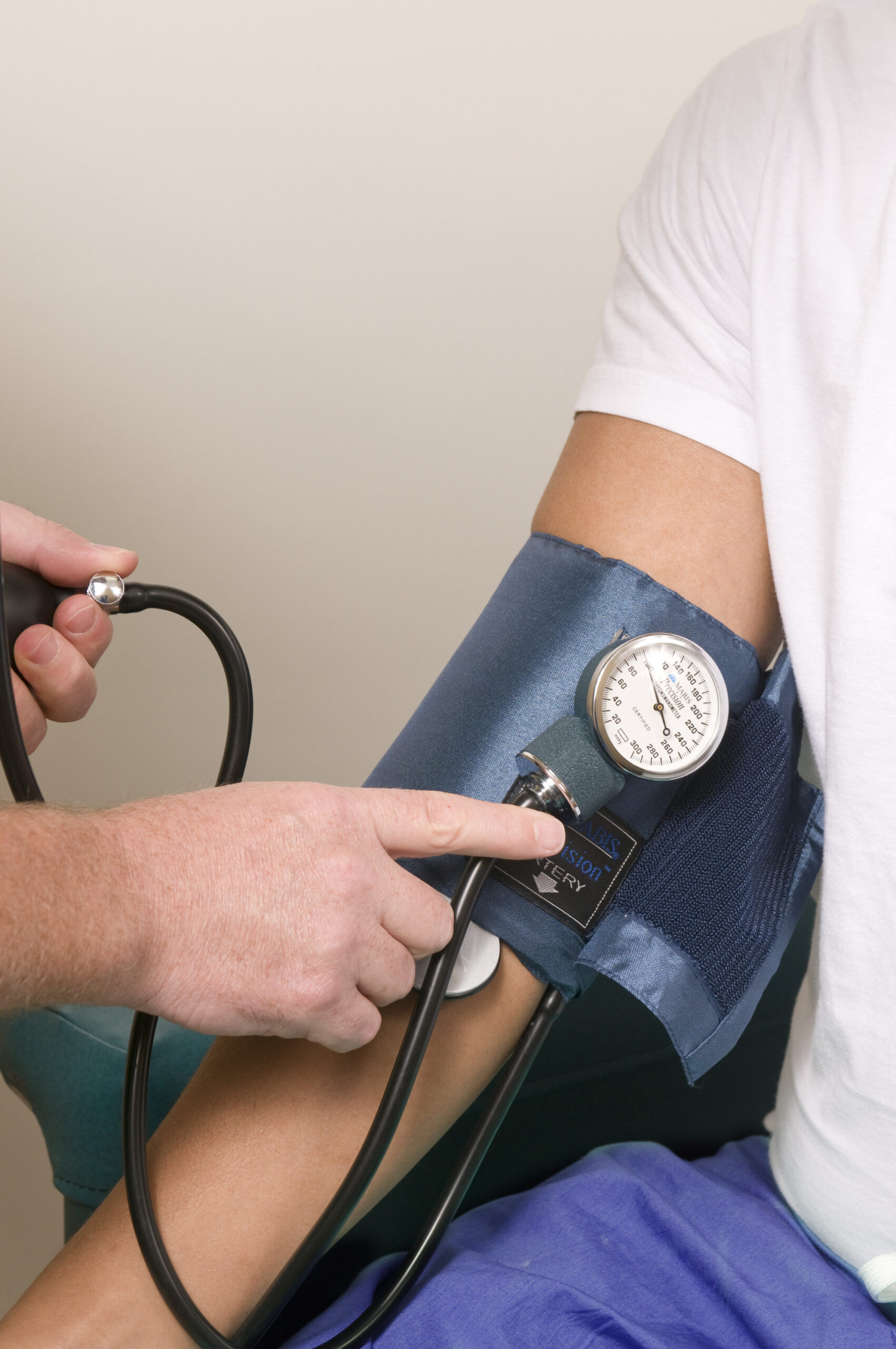
That’s the part of this role that surprises people. Some weeks the work is teaching a class on blood pressure. Some weeks it’s sitting in a city council meeting.
The university-run networks
The most organized version of the model might be the Community Health Advisors Network connected to the Jackson Heart Study, run through Jackson State University’s Community Outreach Center in Mississippi. The Jackson Heart Study is the largest long-term study of cardiovascular disease in African Americans ever conducted, and the CHAN is how its findings travel from the research files back into the neighborhoods that made the research possible.
There are five of these networks across the study area in Hinds, Madison, and Rankin counties, based in communities including Jackson, Clinton, and Canton. The advisors run health fairs, do glucose screenings, and carry wellness projects into their towns. What’s striking is the training the university gives them: not just diabetes overviews and screening technique, but grant writing, research methods, even how to establish a nonprofit. That’s an institution treating local volunteers as long-term partners rather than free labor, and it’s the reason those networks sustain themselves. You can read more about the program on Jackson State’s CHAN page.
So what does the week actually look like?
Somewhere between all the studies and statistics, there’s a person with a very concrete week. Checking blood pressures at a folding table after Sunday service. Sitting at a kitchen table helping someone decode a letter from their insurance company. Giving a ride to a specialist appointment two counties over. Knowing, off the top of their head, which clinic has a sliding-scale fee and which pharmacy will work with someone between coverage.
None of it is glamorous. Nearly all of it is the difference between a person getting care and a person giving up on it.
If you’re an advisor yourself, or about to become one, here’s the thing I’d want you to carry into your own community: the research above isn’t really about programs. Every one of those studies, from the church committees to Uniontown to the Jackson networks, found the same active ingredient, and it was never the curriculum. It was the advisor. The neighbor people already trusted, showing up consistently, translating a confusing system into a human conversation.
You don’t need thirty years in the same pew to do that. But it’s worth knowing that’s the tradition you’re stepping into.